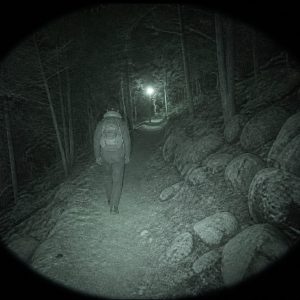
One intention per weekend outdoor adventure. Instead of hunting area reconnaissance, a long ridge hike, camping overnight, testing a new camp stove and sports photos of landscape for the home bar, focus on the one intention that matters most. Set up the camp, route and required outdoor gear for the one objective of interest for the weekend and you'll end up with a much calmer outdoor activity instead of a pointless struggle to get everything in.
Turn the bucket list into one clear purpose
Begin with the very basic case for a weekend long outdoor adventure. You have an enormous outdoor bucket list of things to do and see, but you only have from Saturday morning until Sunday afternoon to go and do them. Your priorities for this trip are to go to look for deer sign, to hike a scenic route, to camp out for the night and to put your new tent through its paces.
The main objective of your long outdoor bucket list can be diminished to a single goal for your weekend. Scouting for habitat for deer in the winter could involve a hike of up to 5 miles round trip. If your true intent is for skills training then pick a campsite that will allow you to focus on skills and not scatter released resources in all directions. If your intent is for a hunt then let the legal season, access, range, and recovery for that species be your guide for planning your trip.
Write down a clear main purpose for your weekend outdoor adventure. This can be a simple sentence such as "I want to better understand this area" or "I want to complete a good overnight skills practice without rushing". Then use the purpose to choose detours along the way and reject other ideas that would ruin your main objective and use up too much time.
Build the hiking itinerary around daylight and energy
Too many people construct itineraries consisting of connecting beautiful routes to create long routes. Instead, create a sensible route that mirrors your abilities while carrying heavy packs full of food, water, camp, and clothing for cold weather. Start at the beginning, end in the middle, and stop at the end, then scale back for a subsequent trip.
Access the area, hike the scoping trip and set up camp on Saturday. On Sunday start the day off early with a long quiet observation period followed by breakfast and then head out on a direct route to return home by the end of the day.
Make the itinerary understandable to others as well as to yourself. Share the area of intention for the day's hiking, your planned return time, and an alternative route should things not go as planned with a contact or two. Check current access notices, fire restrictions, etc. for the lands you intend to enter for hunting. Official government websites for federal, state and local government are the best places to start your search for such information.
Measuring a route in miles does not give an indication of how difficult it will be to complete. Be aware of obstacles such as steep ground, dense vegetation, wet and muddy paths, poor visibility and heavy pack loads. It is best to select a route that will allow for a comfortable completion of your objective and for some contingency should things not go as planned.
Let camping trip planning remove decisions from the field
Camping trip planning can be set up to answer many of the small questions that may end up keeping you up at night while on trip. Where to set up shelter? Where to store food? How to treat water if needed? What to do with human waste? Can you set up camp at an established campsite? Can you cook and have a fire in the area?
For your camping trip, bring enough meals for the number of days you plan to be out plus a little extra in case some meals don't go as planned. Instead of packing elaborate meals that may take a lot of time to prepare and eat on the camping trail, choose simple dishes that will provide plenty of energy for your outdoor adventure. Choose simple breakfasts, trail snacks, and evening meals for your meals to make the best use of your time on the trail.
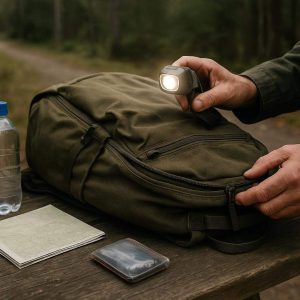
Consider what job each piece of gear will perform. Can the headlamp be used to search for items after dark? Can extra layers of clothing be used for warmth as well as comfort? Can a repair kit be used to fix a loose strap or a damaged shelter? Make sure all containers holding liquids (such as water or fuel) are in good condition before you leave for your adventure.
Similarly, all essential items for the hunt (such as binoculars, rangefinder, etc.) must be checked for compliance with regulations for the respective area, for lawful transport and, when applicable, for correct use for identification of animals, for shot selection, for retrieval of the animal and for field care. All up-to-date official regulations and local safety rules and by-laws must be followed.
Choose gear for the weakest part of the plan
The best gear is the gear that could fail in the worst possible way for you on your trip and you have alternative gear that would work better to deal with that possible failure rather than an additional item to make your trip more comfortable. For a wet trip a good rain protection and a way to keep your spare layers dry would be more important than a few additional comfort items. For a trip over rough ground the best footwear would be something that fits well and has a good sole.
Take each piece of gear and ask three questions of it. 1) Can I use it in poor light? 2) Can I repair/replace the weak point should it fail? 3) What happens to it in wet/cold/misplaced scenarios? Test out a low pressure tent, wear out some hiking boots before you go, check that your map and compass are going to work for you.
A return journey will require some food for reserve, some warm clothing, some basic first aid as well as a reliable light source to see what you are doing when it gets dark. Pack to return, not to depart. Packet lite by removing duplicates not the key item for some real risk.
Leave room for habitat and changing conditions
When designing an adventure, remember the places and animals that you will be affecting along the way. Stay on durable surfaces, travel and act quietly, do not block access to trails, and refrain from touching wildlife sign and natural history collecting for the sake of collecting. Learn more by observing from a distance during your scouting of a potential location for your adventure.
Determine whether to shorten your trip to leave early when conditions arise. Consider factors such as safety of travel, available daylight, ability of less-experienced members to continue safely, and the degree to which the completed trip remains true to its original purpose.
Even more importantly, note what worked for you, and what didn't, on your adventure, and write that up in a few paragraphs or bullet points after you return home. That little bit of time invested in relating your adventure to your greater list of places and things to do in the outdoors will pay huge dividends in making each successive trip more useful than the last, and bringing you closer to realizing your bucket list of long outdoor adventures over time.